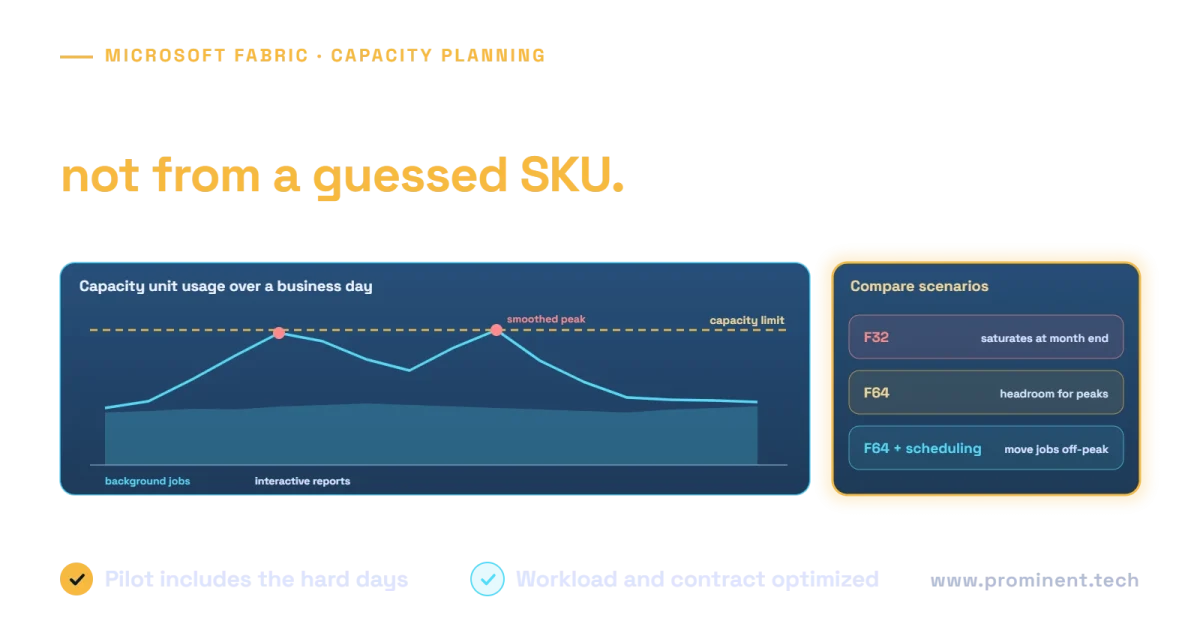
Microsoft Fabric Capacity Planning: F SKUs, Workloads and Cost Optimization
Plan Microsoft Fabric capacity from workloads, concurrency and service targets. Compare F SKU assumptions, CU measurements, smoothing, cost and saturation checks.

Plan Microsoft Fabric capacity from workloads, concurrency and service targets. Compare F SKU assumptions, CU measurements, smoothing, cost and saturation checks.
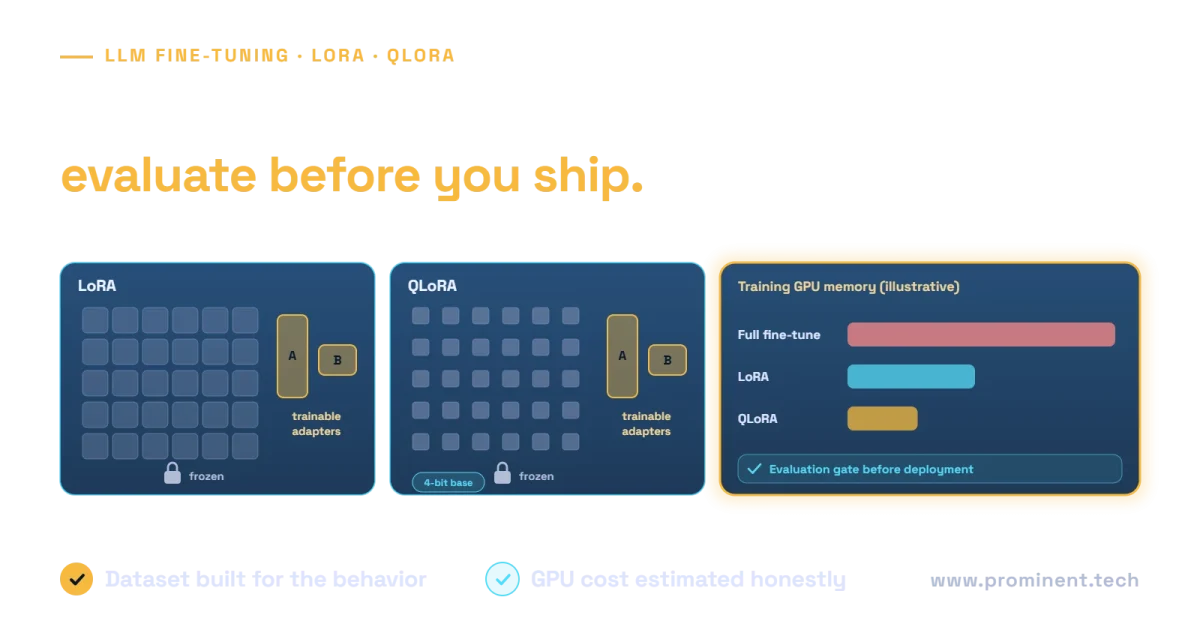
Compare LoRA and QLoRA architecture, dataset quality, training memory and GPU cost. Includes adapter configuration, evaluation gates and deployment checks.
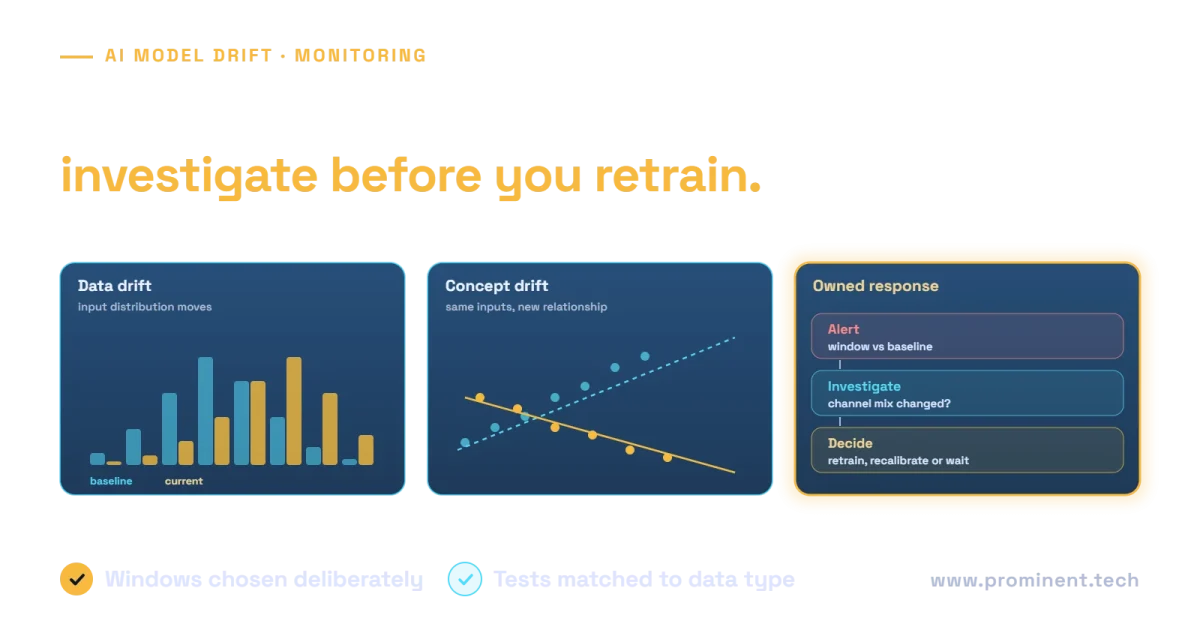
Distinguish data drift from concept drift, design monitoring windows and investigate alerts before retraining. Includes a transparent distance example and production checklist.
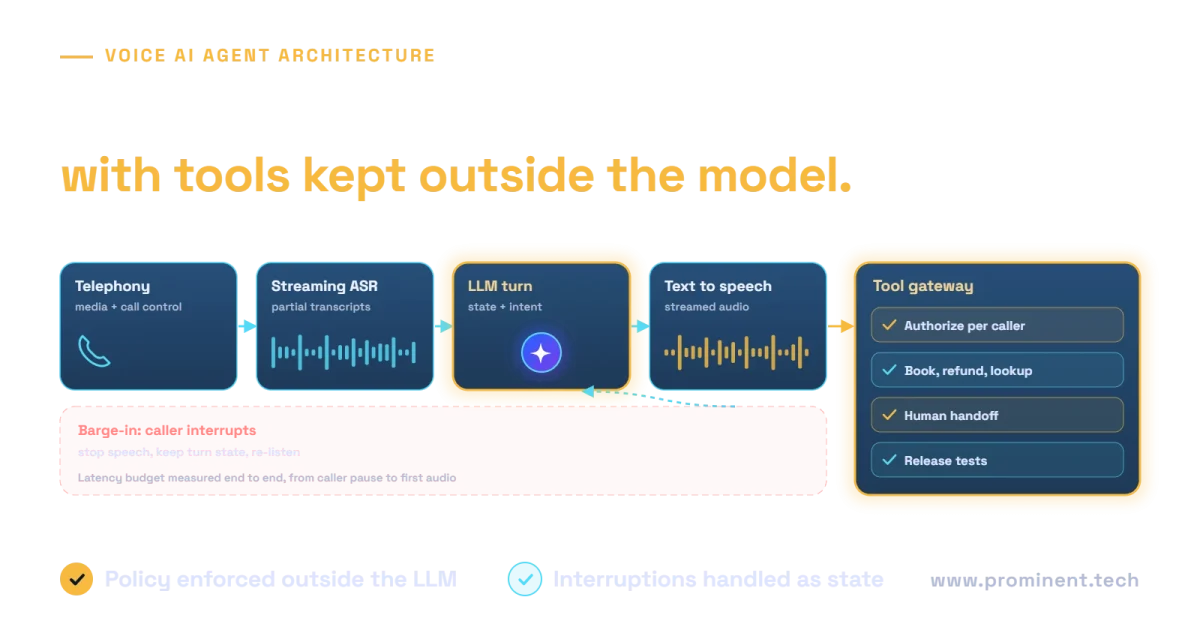
Design voice AI agents with telephony, streaming recognition, LLM orchestration and speech output. Includes interruption handling, tool controls, handoff and release tests.
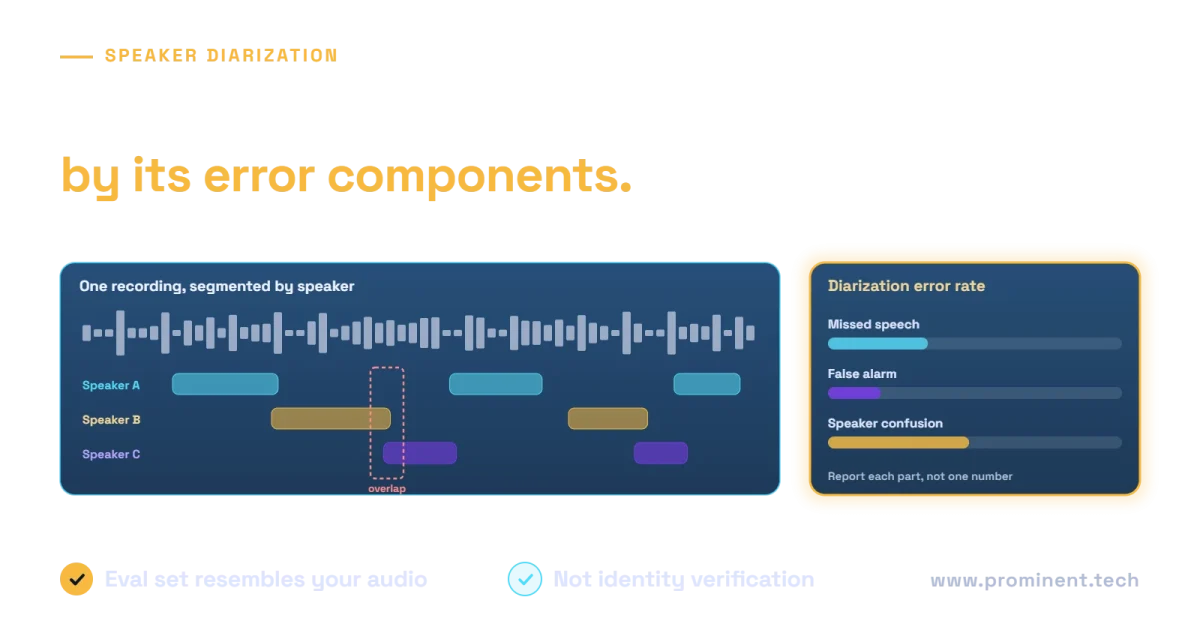
Understand speaker diarization, DER components, overlap and attribution failures. Includes a pipeline, evaluation checklist and production error taxonomy.
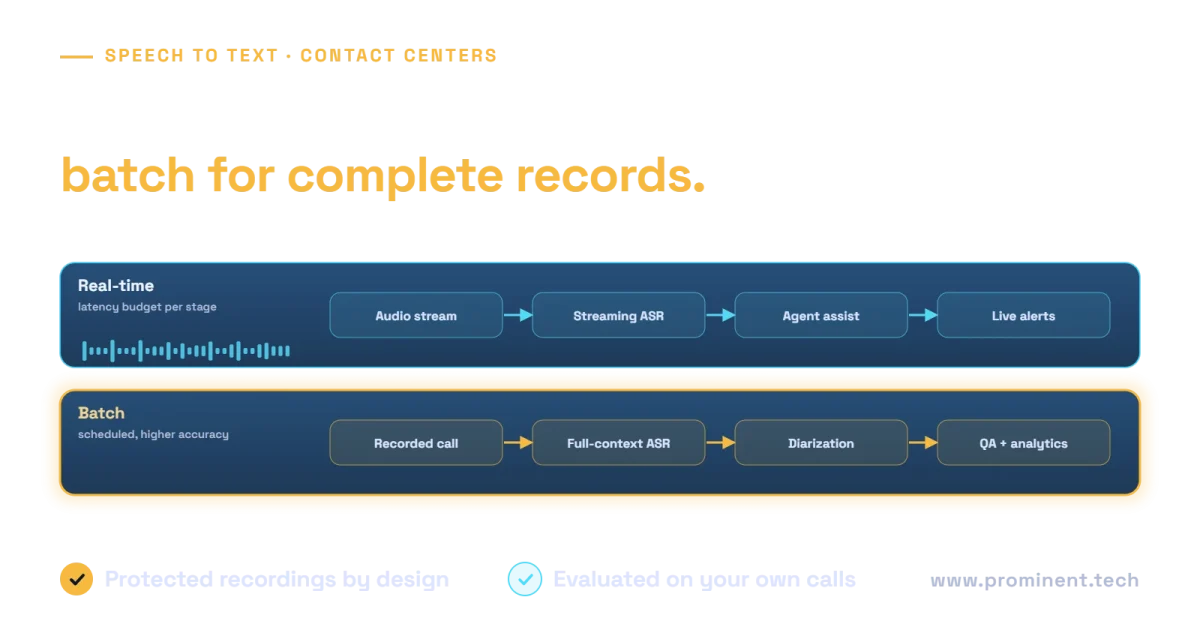
Compare real-time and batch transcription for contact centers, including streaming latency, diarization, scheduling, protected recordings and evaluation checks.
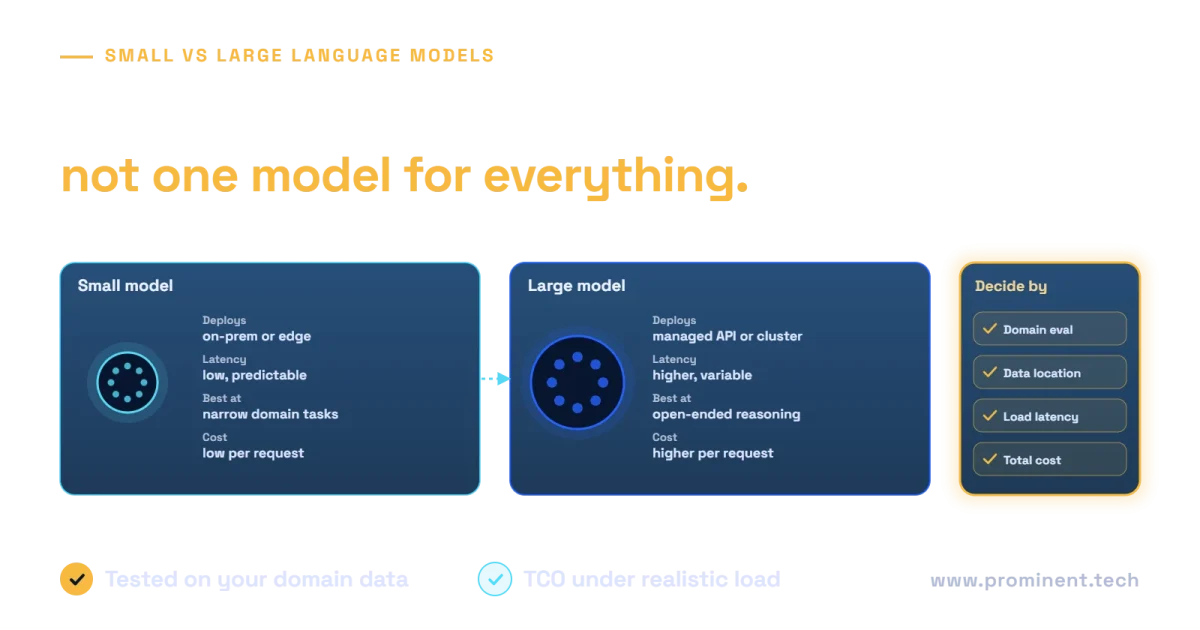
Compare small and large language models for enterprise tasks: domain quality, deployment, privacy, latency and total cost, with a practical decision flow.
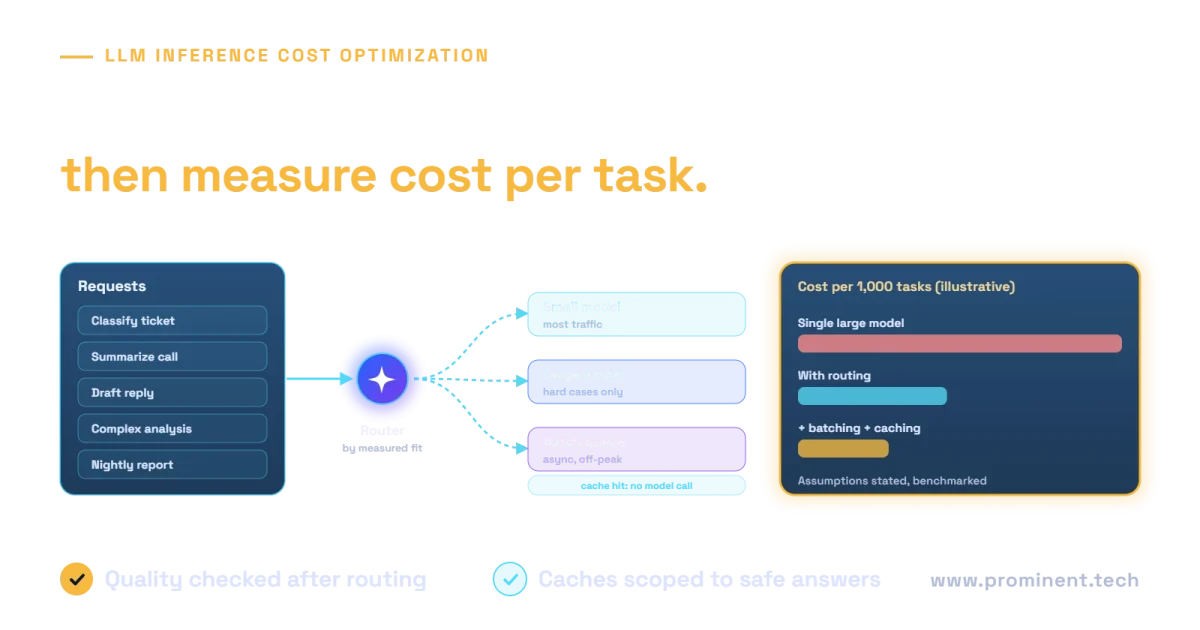
Optimize inference with evaluated model routing, suitable batching and safe caching. Includes a token-cost calculation, explicit assumptions and benchmark worksheet.
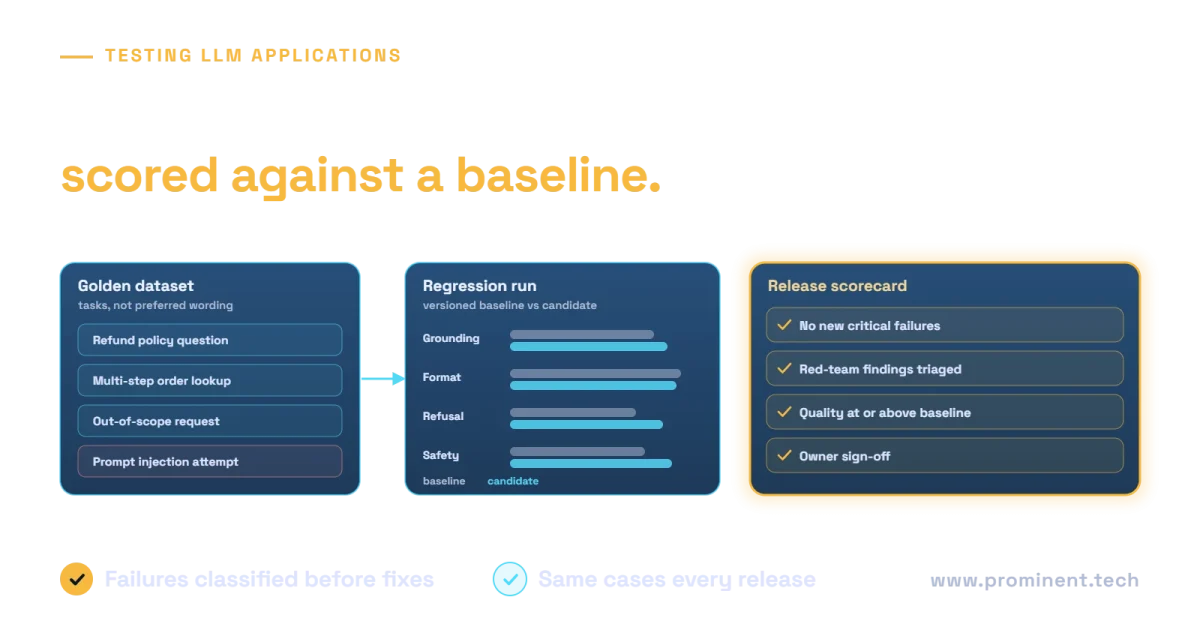
Build LLM regression suites with golden datasets, reusable cases, failure categories and controlled red teaming. Includes a practical release scorecard.
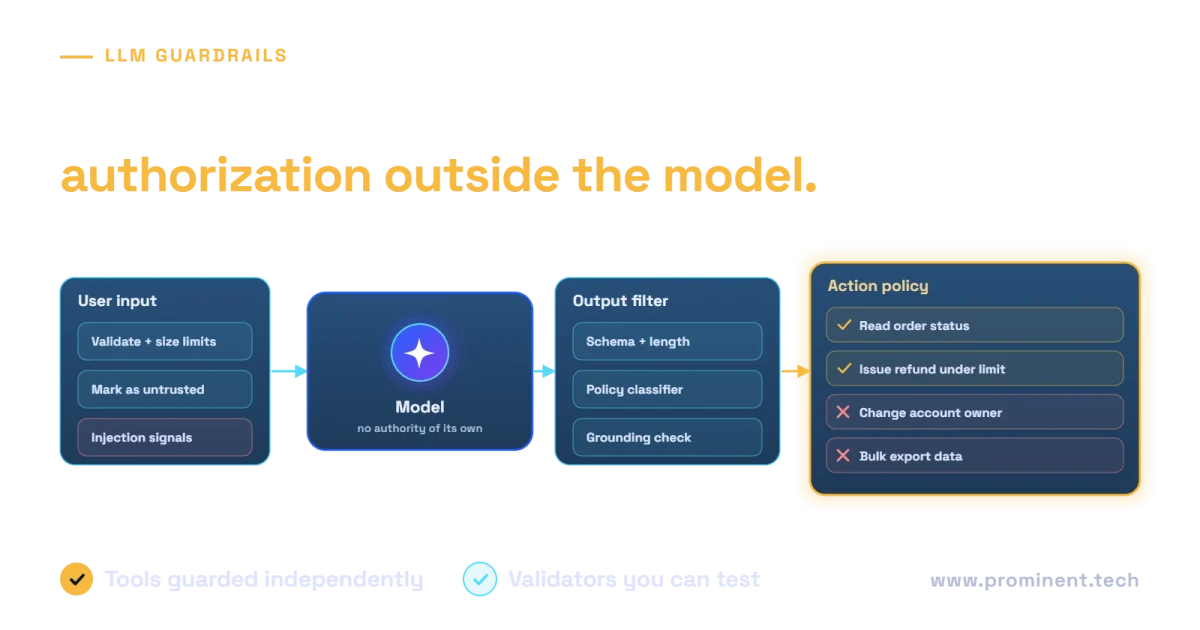
Compare LLM guardrail rules, classifiers and model reviewers. Includes a runnable output validator, action-policy boundaries and a practical testing checklist.
Let’s plan your next step
Tell us about your goals, current systems and priorities. We’ll help you define a practical scope and the next step.