Data Engineering
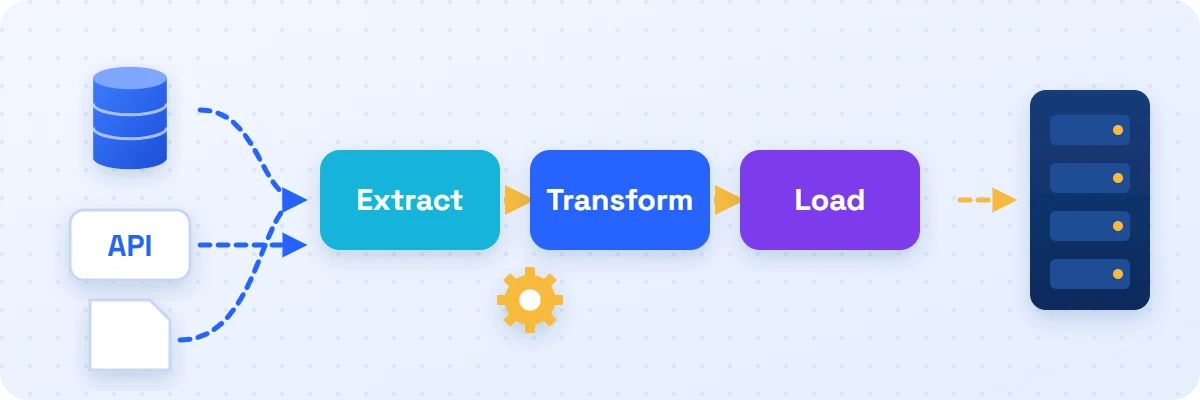
Build robust data pipelines and architectures to power analytics and AI.
- Data collection pipelines
- ETL/ELT processes
- API-based data ingestion

Data engineering, analytics & BI
Turn raw data into reliable business decisions.
Connect, clean and analyse your data. Deliver insights through dashboards, forecasts and AI-ready platforms.
Data science development services turn raw business data into decisions: building the pipelines that collect and clean data, analysing it with statistics and machine learning, and presenting the results in dashboards and reports that managers can act on.
Start with one service or combine them into an end-to-end data programme.
Build robust data pipelines and architectures to power analytics and AI.
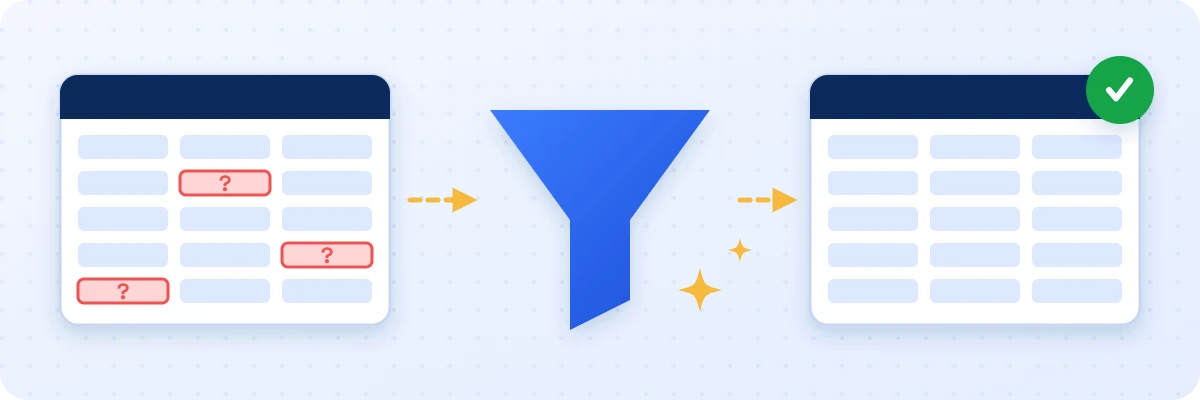
Ensure accurate, reliable data for better decision-making and model training.
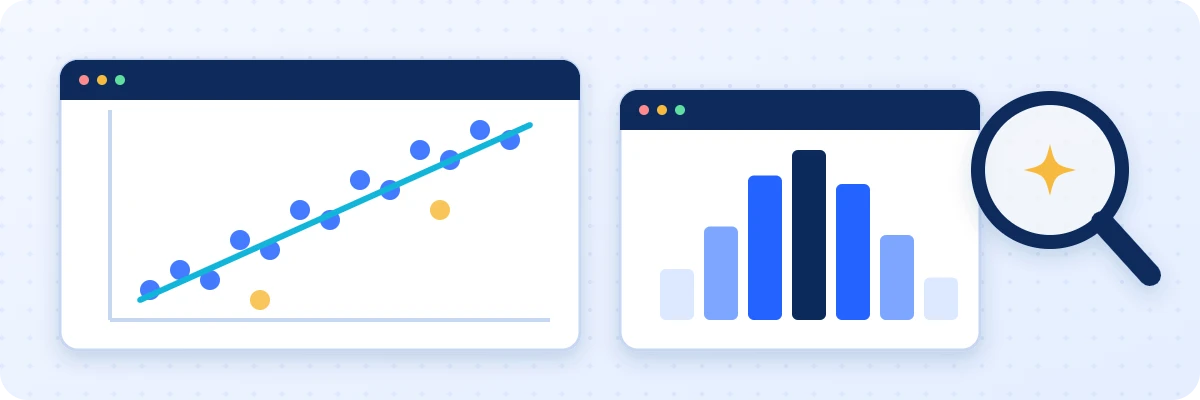
Uncover patterns, trends, and opportunities hidden in your data.
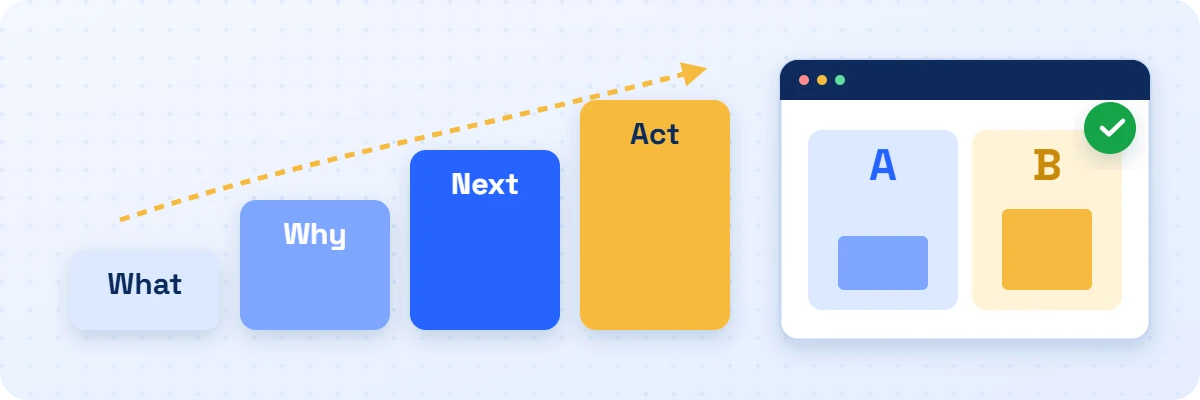
Move beyond reports to predictive and prescriptive decision-making.
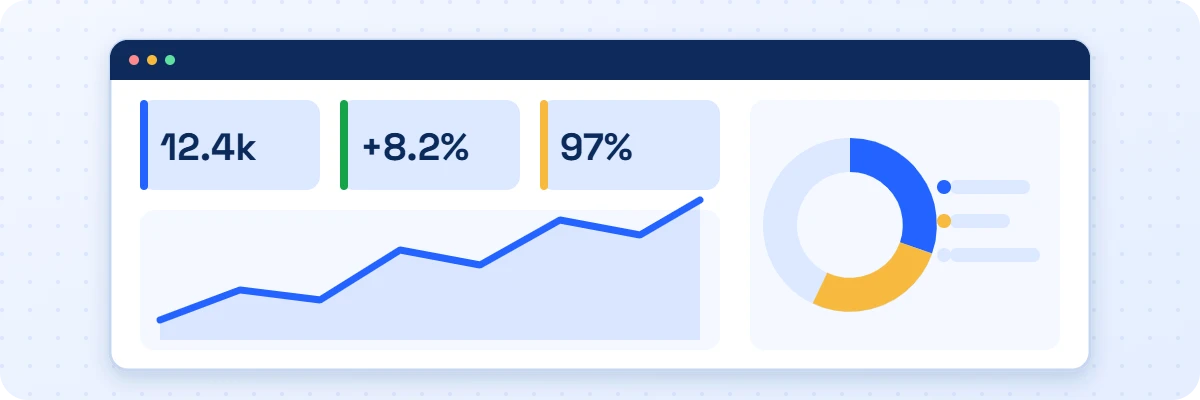
Simplify complex data with real-time, interactive dashboards.
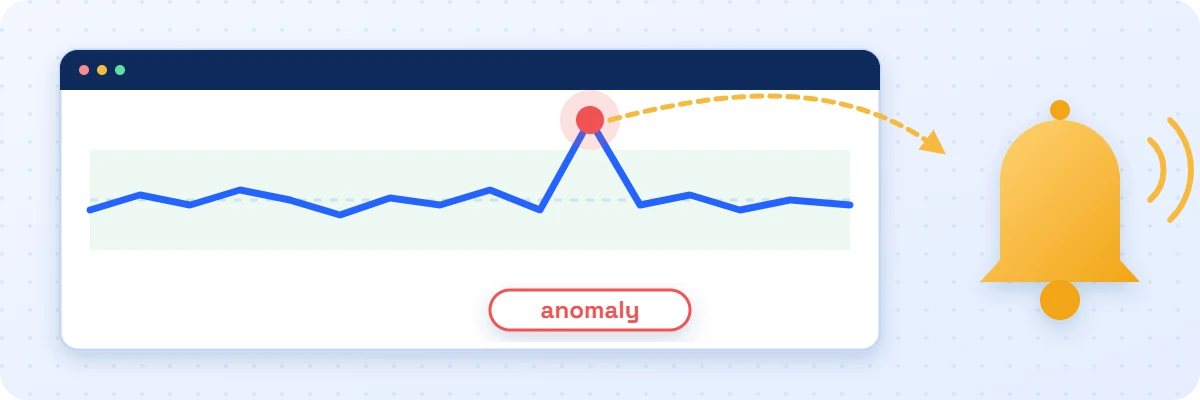
Detect anomalies and respond instantly with streaming data insights.
Years of operational data hold answers about customers, costs and risks. Data science finds them.
Clean, automated data foundations produce one trusted version of the numbers.
Forecasts and predictive models show what is likely to happen next.
Reliable, well-modelled data is the first requirement for any successful AI project.
Five connected stages of a modern data platform.
Selected around your requirements and operating environment.
We work with Microsoft Fabric, Power BI, Databricks, Snowflake, Azure Synapse and AWS data services. Analysis and modelling use Python (pandas, scikit-learn, statsmodels) and SQL, with dbt for transformations. Everything is version-controlled and automated, on Azure or AWS.
Explore technology stack Microsoft Fabric
Product names and logos belong to their respective owners. No partnership or certification is implied.
We agree the decisions the work must support and how value will be measured.
Output: Data and goals assessment
Sources are connected, cleaned and modelled.
Output: Platform and model design
We explore, analyse and build predictive models where they add value.
Output: Validated pipelines and analysis
Results are shared through dashboards, reports or scores inside your systems.
Output: Dashboards and outputs live
Refresh schedules, monitoring and new questions over time.
Output: Ongoing support
Answers about scope, platforms, timelines and support.
No. We can design and build your warehouse or lakehouse as part of the engagement, or work with the systems you already have.
Python, SQL, Spark, dbt and Airflow for engineering and analysis, and Power BI, Tableau or Looker for visualisation, chosen to fit your stack.
Yes. We often build the platform and models, then train and mentor internal teams so they can extend the work confidently.
It depends on the number of data sources, the state of the data and the deliverables. Many clients start with a short, fixed-price assessment or exploratory analysis, which gives a clear plan and estimate.
An exploratory analysis or first dashboard usually delivers results within a few weeks. Larger data platforms and predictive models are delivered in phases over a few months.
Data analytics mainly describes what happened, through reports and dashboards. Data science adds statistical modelling and machine learning to explain why and predict what will happen. Most projects need both.
Yes. Engagements are scoped to your size, and smaller businesses often start with a dashboard or a data insights subscription rather than a full data platform.
Let’s plan your next step
Tell us about your data sources and the decisions you want to improve. We will recommend where to start.